Reviews VPN
X-VPN Talaria review: Speed Gains, Open Source Release and Audit Outcomes
At a glance
X-VPN launched Talaria in October 2026. Internal tests show over 200 percent speed increases on high-bandwidth links with an independent audit reporting no vulnerabilities.
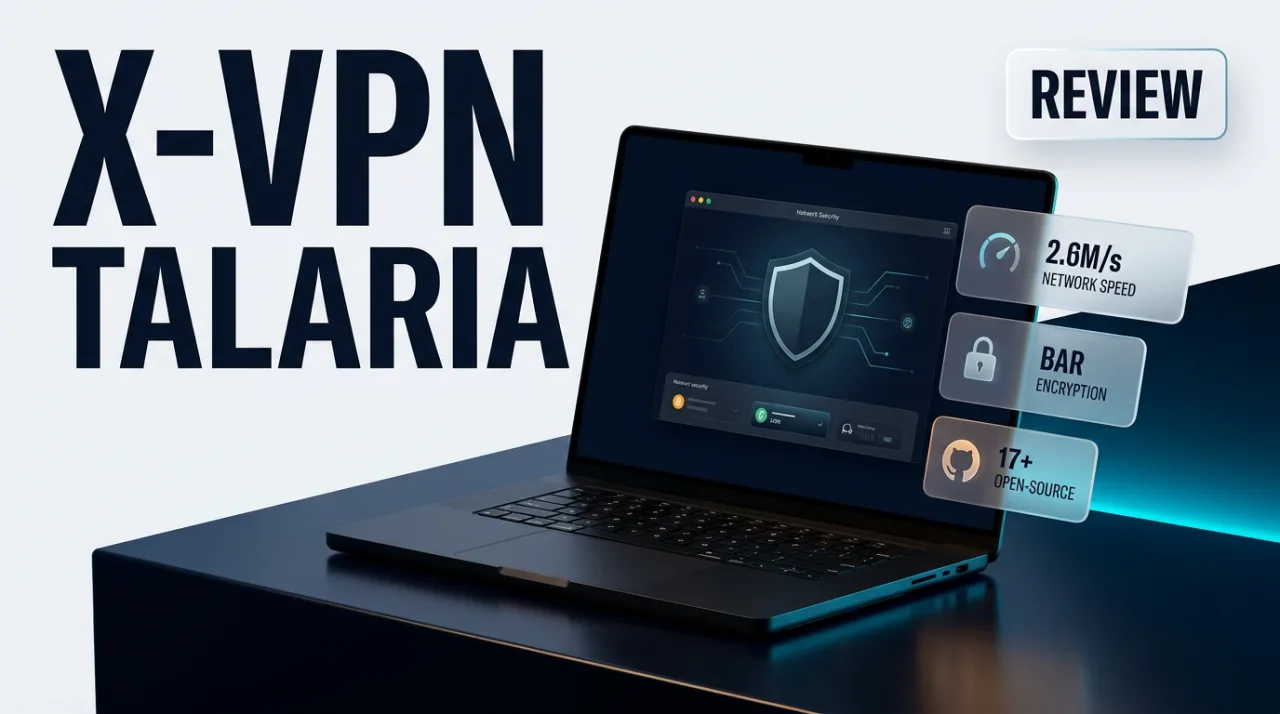
X-VPN introduced its Talaria protocol in mid-October 2026 as the default fast option across its apps. Internal tests recorded more than 200 percent aggregate download and upload gains versus prior best protocols on 10 Gbps connections. The protocol uses TLS 1.3 handshakes and hybrid post-quantum key exchange while remaining available to both free and paid users.
X-VPN Talaria review of Protocol Design and Availability
Talaria runs in two modes, TalariaUDP and TalariaTCP, delivered through a Go client and server library released on GitHub on October 16, 2026. The code carries the AGPL v3 license, though the surrounding X-VPN application stays closed source. Multi-channel parallelism, batch processing, and flow-level forwarding reduce overhead on high-capacity networks. The protocol supports Windows, macOS, iOS, and Android, with a noted restriction on Windows ARM devices.
Registration and activation follow the same steps as other X-VPN protocols. Users select Talaria from the protocol menu inside the app without additional configuration files. No separate technical requirements beyond a supported operating system are listed. The service integrates with existing account types, so free-tier users access the same protocol options as premium subscribers.
Security measures center on mandatory TLS 1.3, AEAD encryption, and replay protection. An independent assessment by Singapore-based Vantage Point Security ran from September 8 to 24, 2026, covering white-box code review and protocol-level penetration testing on a specific commit. The final report recorded zero findings at Critical, High, Medium, or Low severity levels, with four informational observations addressed before a retest confirmed the fixes.
Measured Speed Results and Open Source Status
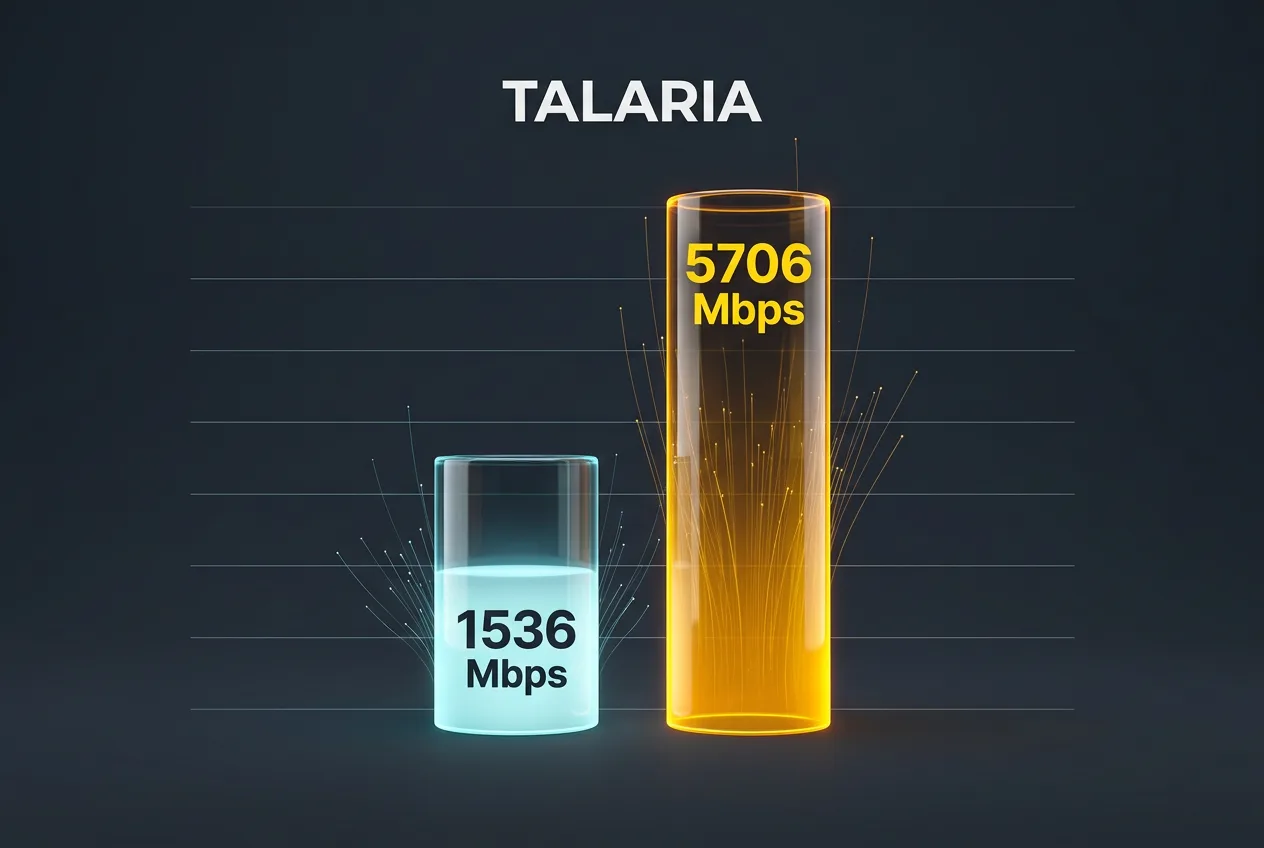
X-VPN reported Windows Singapore route median download speeds rising from 1,536 Mbps to 5,706 Mbps after the network overhaul that included Talaria. On 1 Gbps and 100 Mbps links, download retention stayed at or above 95 percent compared with no-VPN baselines across both local and long-distance routes. These figures come from company-controlled tests on Windows, macOS, iOS, and Android; independent third-party speed and leak tests remain limited as of November 2026.
The open-source release allows public inspection of the cryptographic design and transport logic. Researchers can review the repository at github.com/X-VPN/Talaria for ongoing validation. X-VPN also maintains a separate no-logs audit for the overall service, though that audit does not cover protocol internals directly.
Comparisons, Limitations, and Current Standing
Talaria targets the same high-bandwidth use cases as WireGuard while adding multi-channel features and post-quantum key exchange. OpenVPN offers wider compatibility but typically lower throughput. V2Ray remains available for users who need different obfuscation options. The table below summarizes reported speed retention on 1 Gbps Windows tests.
| Protocol | Local route retention | Long-distance retention |
|---|---|---|
| Talaria | 98%+ | 95%+ |
| WireGuard | 92% | 85% |
| OpenVPN | 78% | 65% |
Public user reviews specific to Talaria remain sparse because the protocol launched only weeks ago. Early forum posts note noticeable speed lifts on high-capacity connections and no widespread complaints about stability or leaks. No confirmed security incidents tied to Talaria have surfaced.
Limitations include reliance on internal speed data only, the absence of a native Windows ARM build, and the closed-source status of the client application itself. Continued community code review and independent performance tests will clarify long-term behavior. As of November 10, 2026, the protocol shows clean audit results and documented throughput gains on supported platforms.
Frequently asked questions
When was the Talaria protocol released?
X-VPN launched Talaria in mid-October 2026. Source code appeared on GitHub on October 16 under the AGPL v3 license.
What security findings did the Vantage Point audit report?
The audit found no vulnerabilities at any severity level. Four informational observations were addressed and verified in a retest.
How much faster is Talaria than WireGuard in X-VPN tests?
Company tests on 10 Gbps Windows links showed aggregate gains exceeding 200 percent. Specific routes recorded download speeds rising from roughly 1,536 Mbps to 5,706 Mbps.
Is Talaria available on all X-VPN platforms?
The protocol works on Windows, macOS, iOS, and Android. A Windows ARM limitation is noted in current documentation.
Can free users access Talaria?
Yes. Both free and premium accounts can select Talaria as the active protocol without additional fees.
Filed under
Comments 3