Reviews Payments
Stripe Review: Fees, API Documentation and Compliance Features
At a glance
Stripe offers card processing, billing and marketplace tools through a single API. This review details current fees, developer resources and risk management options.
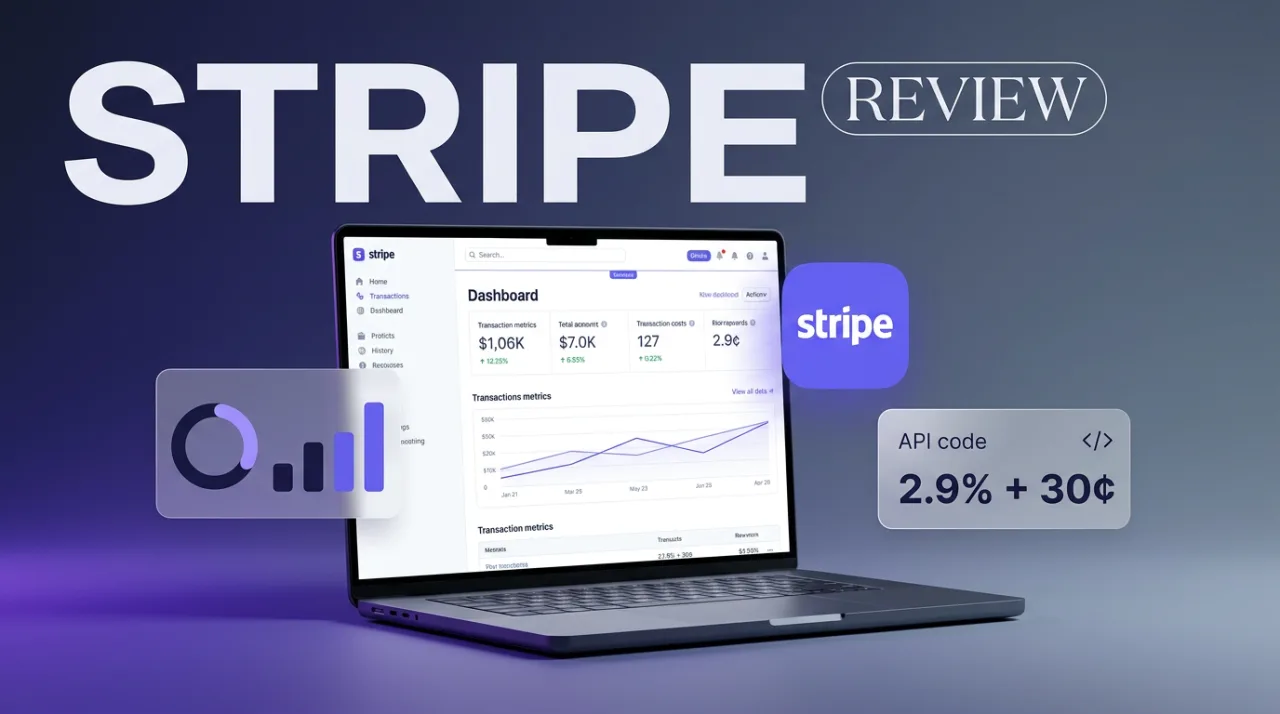
Stripe operates as a payments infrastructure provider that routes card transactions, subscriptions and marketplace payouts through one API. Launched in 2010, the service targets developers building checkout flows, recurring billing and platform economies across more than 150 currencies. As of October 2026, its standard US online card rate remains 2.9 percent plus 30 cents per successful charge.
Payment Processing Fees and Subscription Plans
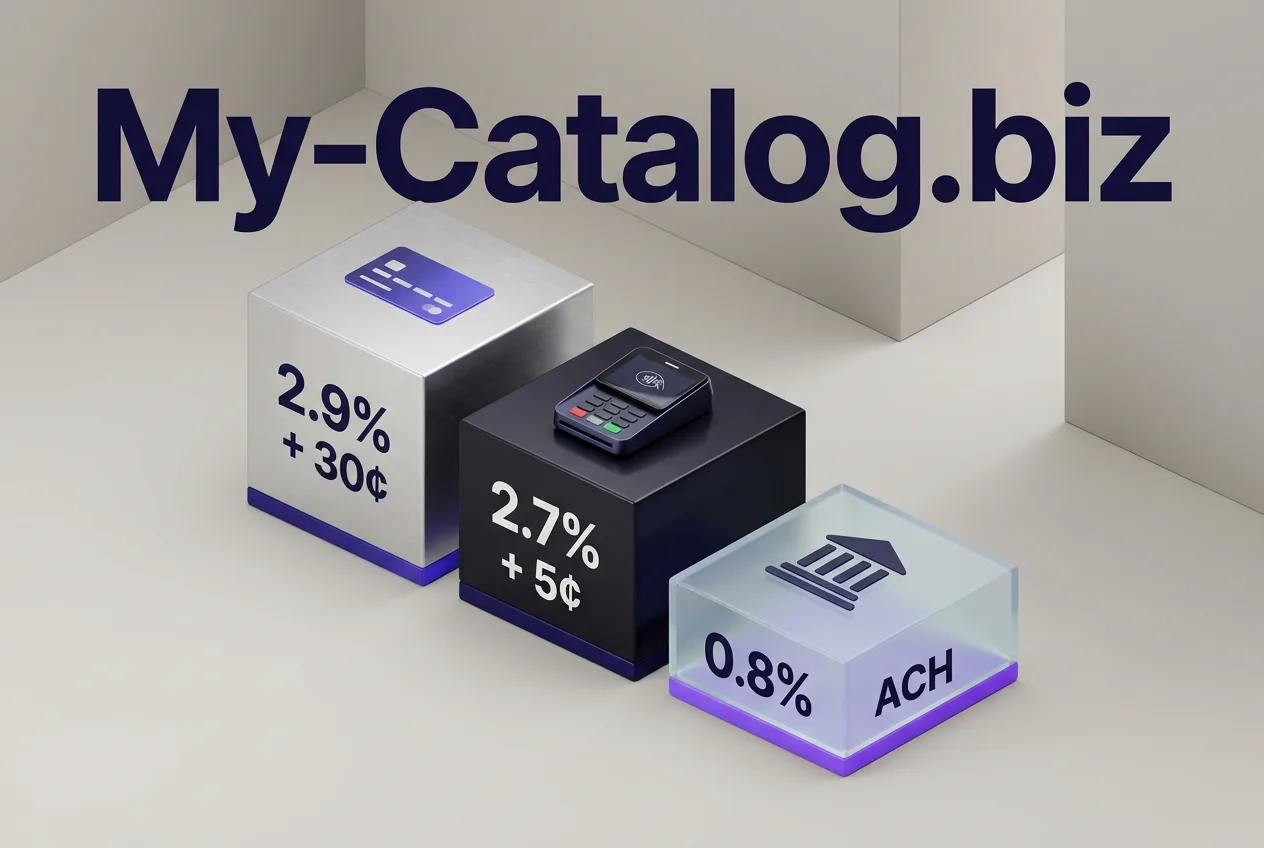
Domestic card payments processed online incur 2.9 percent plus 30 cents. In-person Terminal or Tap to Pay transactions cost 2.7 percent plus 5 cents. ACH Direct Debit carries an 0.8 percent fee capped at five dollars. International cards add an extra 1.5 percent, and currency conversion adds another 1 percent. Disputes cost 15 dollars each, with an optional Smart Disputes service that takes 30 percent of recovered funds. Instant payouts carry a 1.5 percent fee with a 50-cent minimum. No monthly or setup fees apply to the base plan, though Stripe Billing adds 0.7 percent of processed volume on a pay-as-you-go basis or tiered monthly plans beginning near 620 dollars for up to 100,000 dollars in volume under annual contracts.
Refunds do not return the original processing fees. Failed ACH attempts cost roughly four dollars. Volume discounts and custom pricing become available once monthly volume exceeds roughly 80,000 dollars. Users should check the Stripe Dashboard for region-specific updates, such as the UK and EEA card pricing changes scheduled for 21 October 2026.
API Documentation, Compliance Tools and Market Position
The REST API uses predictable resource endpoints and supports official SDKs in Ruby, Python, PHP, Java, Node.js, .NET and Go. Documentation includes a Payments API tour, detailed object references for PaymentIntents and Subscriptions, webhooks, error codes and a sandbox environment. The current API version is dated 2026-09-30. Developers also receive the Stripe CLI and no-code extensions. Radar provides real-time fraud scoring with custom rules and multi-account abuse detection; plans range from Lite to Pro. Stripe Connect manages KYC, KYB, sanctions screening and beneficial ownership verification for marketplaces, while Stripe Identity supplies document verification and automated rescreening. The platform holds PCI DSS Level 1, SOC 2 and ISO 27001 certifications and supplies a GDPR Data Processing Addendum.
Public user feedback on Capterra and similar sites frequently praises clear documentation and rapid integration times, while complaints often cite the lack of fee refunds on chargebacks and the 15-dollar dispute fee. Common positive notes mention reliable webhooks and extensive sandbox testing. Negative remarks focus on higher costs for international volume compared with interchange-plus providers.
| Provider | US Online Card Rate | Monthly Fee | Key Limitation |
|---|---|---|---|
| Stripe | 2.9% + $0.30 | None on base plan | No fee refund on refunds |
| PayPal/Braintree | 2.99% + $0.49 | None | Higher international add-ons |
| Square | 2.9% + $0.30 | None | Limited subscription tools |
| Adyen | Interchange-plus | Custom | Requires enterprise contract |
Stripe positions itself through ecosystem depth rather than the lowest headline rates. Helcim and Paddle serve as alternatives for users seeking interchange-plus pricing or merchant-of-record services, respectively. Authorize.net remains an option for legacy gateway needs. Limitations include the absence of fee refunds on successful refunds and the requirement to verify current rates directly, since custom enterprise agreements can alter published figures. Radar Pro and expanded agentic commerce features rolled out in May 2026, yet high-risk verticals still require manual review for certain Connect accounts.
Frequently asked questions
What are Stripe's standard US card processing fees?
Online domestic cards cost 2.9 percent plus 30 cents. In-person Terminal payments cost 2.7 percent plus 5 cents. International cards add 1.5 percent on top of the base rate.
Does Stripe offer fee refunds when a customer requests a refund?
No. Original processing fees are not returned on refunds. Only the net amount after fees is credited back to the merchant.
How extensive is Stripe's API documentation?
The REST API includes versioned endpoints, official SDKs in seven languages, webhooks, a CLI tool and sandbox environments. Documentation covers Payments, Billing and Connect objects with code examples and error handling guides.
What compliance certifications does Stripe maintain?
Stripe holds PCI DSS Level 1, SOC 2 and ISO 27001 certifications. A GDPR Data Processing Addendum is available, and Connect performs KYC, sanctions screening and beneficial ownership checks.
How does Stripe Radar compare with basic fraud tools?
Radar supplies AI scoring, custom rules and signals from multiple payment methods. Higher tiers add multi-account abuse detection and off-platform data, whereas basic gateways usually provide only velocity and AVS checks.
Filed under
Comments
No comments yet. Be the first!