Reviews Crypto Exchanges
MEXC Review: Trading Features, Fees, Regulatory Actions and Account Access
At a glance
MEXC offers thousands of altcoin pairs and high-leverage futures. This review examines its fees, security audits, recent regulatory order, and user access restrictions.
MEXC Overview, Features and Fees
MEXC Global launched in 2018 and is registered in Seychelles. The centralized exchange provides spot trading, perpetual futures with up to 500x leverage on Bitcoin, copy trading, and a P2P marketplace. It lists between 1,400 and 3,000 spot pairs and more than 600 perpetual contracts, with emphasis on early altcoin listings and smaller tokens not always available elsewhere.
Base spot fees stand at 0 percent maker and 0 to 0.05 percent taker, with zero maker fees applying across all pairs and certain promotions. Futures fees are frequently 0 percent maker and 0.02 percent taker on major contracts, though rates vary by pair. Holding the MX token reduces fees by approximately 20 percent. Withdrawal costs differ by asset and network; several USDT routes on BSC or similar chains remain at 0.01 to 0.5 USDT or lower.
Twenty-four-hour spot volume typically ranges from 300 million to 800 million dollars, placing the platform among the top 20 centralized exchanges by reported volume in recent snapshots. The service also offers staking products and launched a virtual Visa card in August 2026 that supports USDT funding in select regions.
Security, Regulatory Status and Account Access
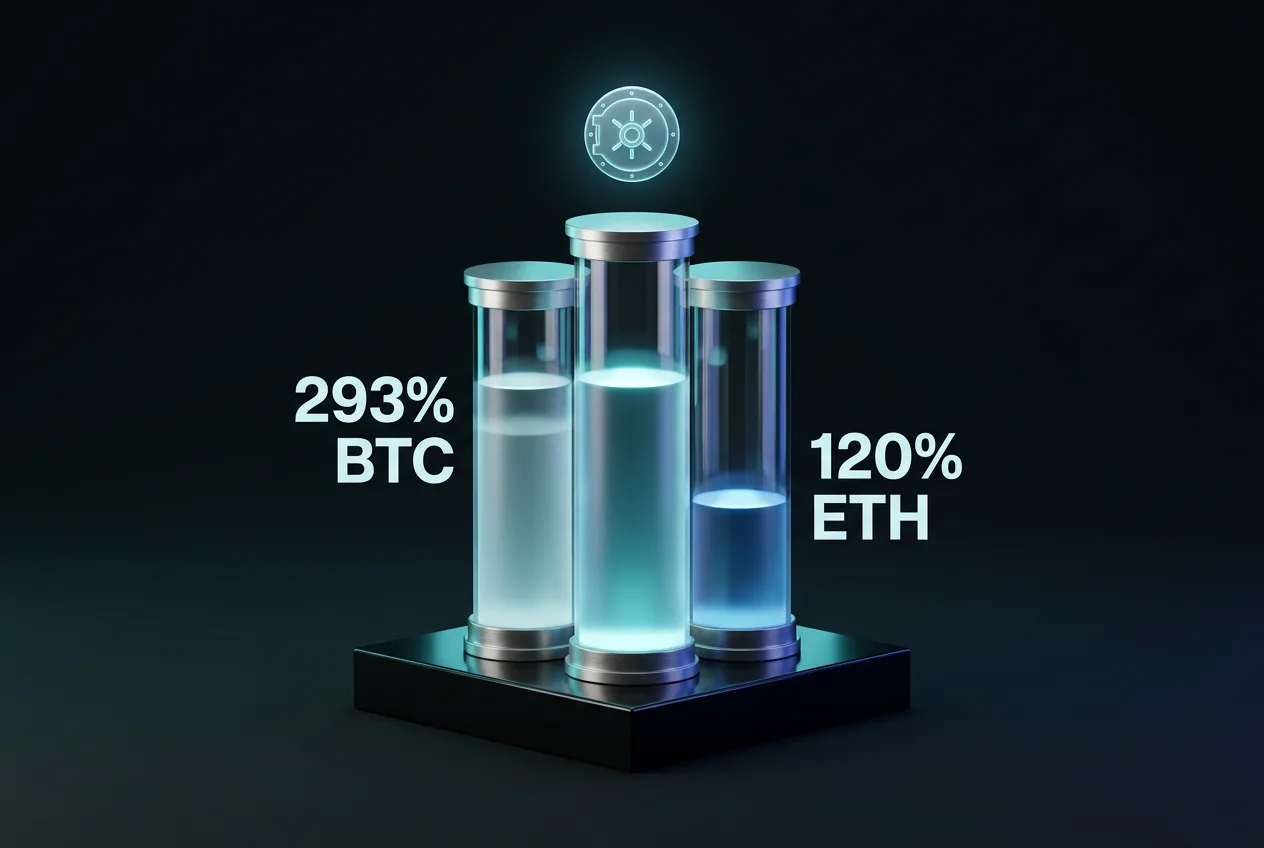
MEXC publishes monthly Proof of Reserves audits conducted by Hacken. The May and October 2026 snapshots showed BTC reserves at 293 to 294 percent, ETH at 111 to 123 percent, and stablecoin coverage between 115 and 122 percent. The platform maintains a Guardian protection fund exceeding 100 million USDT plus BTC holdings and reports no major security incidents since launch. Assets are held primarily in cold storage.
On November 6, 2026, FinCEN issued a Section 9714 order designating MEXC a primary money laundering concern under the Combating Russian Money Laundering Act. The order alleges facilitation of at least 16 billion dollars in illicit flows between May 2021 and May 2026, including sanctions evasion linked to Russia, Iran, and North Korea. It prohibits U.S. financial institutions from processing transactions involving MEXC effective 30 days after Federal Register publication. MEXC stated it continues normal operations, has begun an independent AML review, and intends to engage with regulators.
KYC verification became mandatory for deposits, withdrawals, and full trading around February 2026. Unverified accounts are limited to view-only access. Primary verification allows up to 80 BTC daily withdrawals while Advanced verification raises the limit to 200 BTC. Services remain unavailable in the United States, United Kingdom, Canada, and several sanctioned jurisdictions. Users in permitted regions must complete identity checks to maintain full functionality.
Pros, Cons, Comparisons, Limitations and Verdict
Key advantages include broad altcoin coverage, low or zero maker fees on many pairs, and regular Proof of Reserves disclosures. The exchange supports high-leverage products and maintains a large claimed user base. Drawbacks center on the absence of Tier-1 licenses, multiple regulatory warnings, and the recent FinCEN order targeting its banking access. Support response times and occasional withdrawal delays appear frequently in public feedback.
| Exchange | Spot Pairs | Base Spot Fees | Regulatory Licenses | 24h Volume Range |
|---|---|---|---|---|
| MEXC | 1,400–3,000+ | 0% maker / 0–0.05% taker | None Tier-1 | $300M–$800M |
| Binance | 1,500+ | 0.02% maker / 0.04% taker | Multiple (varies by entity) | $10B+ |
| Bybit | 800+ | 0.01% maker / 0.06% taker | Limited Tier-1 | $2B–$5B |
| OKX | 1,000+ | 0.08% maker / 0.1% taker | Multiple offshore | $1B–$3B |
Common complaints on Trustpilot and review sites mention account freezes pending additional verification and slower support replies during high-volume periods. Positive comments focus on quick listing of new tokens and competitive futures spreads. No independent testing data confirms or refutes these patterns.
MEXC provides extensive market access and competitive fees for altcoin traders, yet faces significant regulatory pressure and lacks major licenses. The November 2026 FinCEN order introduces uncertainty for any future U.S. banking connections, while KYC tightening has altered access for previously unverified users. Prospective traders should review current jurisdictional rules and withdrawal limits before committing funds.
Frequently asked questions
What happened with the FinCEN order against MEXC?
On November 6, 2026, FinCEN issued an order designating MEXC a primary money laundering concern. The measure bars U.S. financial institutions from processing transactions with the exchange but does not directly prohibit individual users outside the United States from trading.
Does MEXC require KYC for withdrawals?
Yes. Since February 2026, verified identity is required for deposits, withdrawals, and active trading. Unverified accounts are restricted to read-only mode. Withdrawal limits depend on verification tier, reaching 80 BTC or 200 BTC daily.
How do MEXC trading fees compare to other platforms?
MEXC lists zero maker fees on spot pairs and low taker rates. Futures fees often start at zero maker and 0.02 percent taker on major contracts. These rates are competitive with or lower than many rivals before MX token discounts.
Is MEXC still operating after the FinCEN order?
MEXC stated it continues normal operations outside the U.S. financial system. The company began an independent AML review and reported that Elliptic removed a special risk classification following the announcement.
Filed under
Comments 3