Reviews SaaS Security
Cortex Cloud SaaS Security Review: Unified SaaS and Cloud Risk Management
At a glance
Cortex Cloud SaaS Security extends the Cortex Cloud platform with visibility across roughly 100 SaaS apps, linking posture, identity, data, and AI-agent risks into one dashboard.
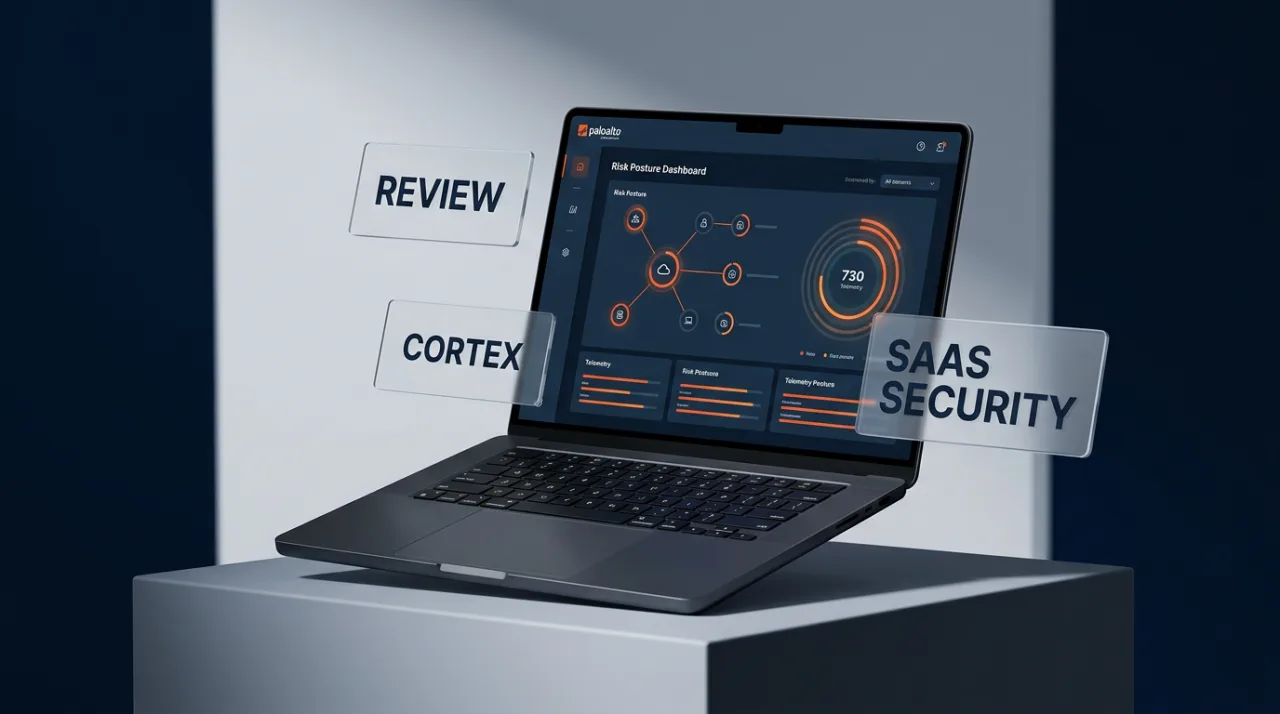
Cortex Cloud SaaS Security, announced on October 28, 2026, adds SaaS-specific controls to the existing Cortex Cloud platform. The module supplies continuous posture checks, identity governance, data classification, and agent security within a single console that also tracks runtime threats.
Users gain connected risk views that combine SaaS findings with cloud workload data. The service targets organizations already running Cortex Cloud or Prisma Cloud who need to reduce fragmented tool sets across SaaS and infrastructure layers.
Core Capabilities and Platform Integration
The offering delivers continuous SaaS Security Posture Management that scans configurations, third-party integrations, and compliance status across supported applications. Identity features cover both human and machine accounts, enforce least-privilege rules, and apply Zero Trust checks. Data security functions include discovery, classification, oversharing detection, and policy-based governance for services such as Microsoft 365, Salesforce, Google Drive, and Claude.
Agent security monitors AI tools, MCP servers, and datasets against prompt-injection attempts. Threat detection uses Cortex AgentiX to automate investigation and remediation steps. All findings appear in one dashboard that correlates SaaS exposures with cloud workloads, identities, and runtime events for attack-path analysis. The platform builds on CNAPP and CDR capabilities introduced earlier in 2025 and supports major compliance frameworks with progress tracking and SLA reporting.
Integration requires an existing Cloud Posture Security or Runtime Security license. SaaS functions are added through modules rather than as a standalone product. Coverage currently reaches about 100 applications, with plans for expansion through the Cortex Cloud 2.x release series.
Pricing, Feedback, and Competitive Context
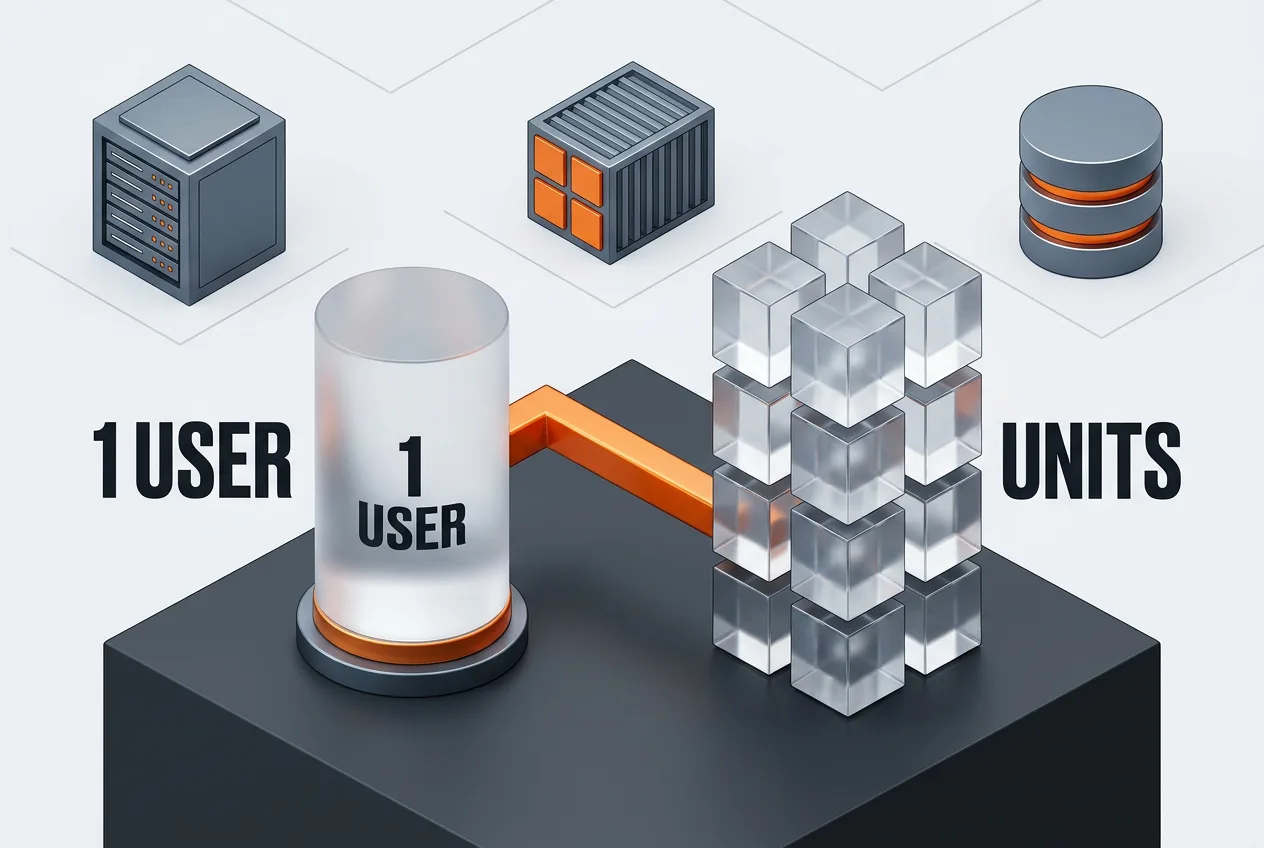
Palo Alto Networks does not publish list prices. Billing follows a workload model in which each SaaS user counts as ten billable units alongside virtual machines, containers, and storage buckets. Metering uses ninety-day averages, and customers must request custom quotes. Base licenses for posture or runtime security are mandatory before SaaS modules activate.
Gartner Peer Insights shows Cortex Cloud ratings between 4.4 and 4.5 out of five across CNAPP and CSPM categories based on several hundred reviews. Reviewers highlight multi-cloud visibility and automated response speed while noting that initial setup and rule tuning require dedicated effort. The Forrester Wave report for Q1 2026 CNAPP placed Palo Alto Networks in the Strong Performer quadrant.
Direct comparisons are limited because the October 2026 announcement is recent. Similar unified platforms include Microsoft Defender for Cloud Apps combined with Azure security posture tools and Wiz plus its SaaS module. Cortex Cloud SaaS Security differs by embedding agent security and prompt-injection checks natively and by linking SaaS signals directly to infrastructure attack paths without requiring separate exports.
Setup complexity appears in multiple reviews, especially when organizations run many custom integrations. Public documentation does not list exact per-application coverage counts beyond the approximate figure of one hundred apps. No independent penetration-test results specific to the new SaaS module have been released yet.
The module addresses rising use of autonomous agents projected to reach 75 percent of enterprises by 2028 and the 87 percent multi-surface attack rate cited in the Unit 42 2026 report. Organizations already licensed for Cortex Cloud can activate the capabilities through standard upgrade paths and scheduled demos.
Frequently asked questions
What applications does Cortex Cloud SaaS Security currently cover?
The service provides visibility across roughly 100 SaaS applications. Official materials list Microsoft 365, Salesforce, Google Drive, and Claude among the supported platforms, with additional coverage added through regular updates.
How is Cortex Cloud SaaS Security licensed?
Licensing uses a workload-based annual subscription model. Each SaaS user equals ten billable units. A base Cloud Posture Security or Runtime Security license is required, and customers obtain quotes directly from Palo Alto Networks.
Does the platform include AI agent protections?
Yes. SaaS Agent Security monitors AI agents, tools, MCP servers, and datasets for prompt injection and related risks. These controls are part of the core module announced in October 2026.
What do customer ratings indicate about setup effort?
Gartner Peer Insights reviewers rate Cortex Cloud between 4.4 and 4.5 out of five. Several note that initial configuration and ongoing rule tuning require significant time and expertise.
Filed under
Comments
No comments yet. Be the first!