Reviews Solana
Solana Alpenglow Review: Votor Finality Changes on Mainnet
At a glance
Solana Alpenglow activates Votor on mainnet, cutting finality to 100-150 ms while eliminating vote transactions and requiring no user action for most wallets and applications.
The Solana Alpenglow consensus upgrade went live on mainnet on October 21, 2026, replacing TowerBFT with the Votor mechanism at slot 459,653,000. Validators completed the switch during epoch 1064 without restarts or dropped transactions. The change targets deterministic finality of 100-150 ms and removes vote transactions from on-chain traffic.
Solana Alpenglow Activation and Core Mechanism Changes
Activation occurred through feature gate SIMD-0326 after five thousand slots of TowerBFT operation. Validators exchanged BLS-signed votes off-chain via direct peer-to-peer links instead of submitting them as on-chain transactions. Aggregated certificates of roughly one kilobyte are recorded on-chain. Proof-of-History was removed from the consensus path, while slot timing now relies on approximately 200 ms intervals and local timeouts. Turbine block propagation remained unchanged during this phase.
Validator economics shifted with the earlier introduction of a flat 0.8 SOL Validator Admission Ticket per epoch, burned at the start of each period. This replaces previous per-vote fees that averaged one to two SOL daily. BLS keys became mandatory, and Agave-based clients version 4.3 or later are required for participation and rewards. The network now tolerates up to 20 percent malicious stake plus 20 percent offline stake under the new model.
Finality, Performance Metrics and Developer Impact
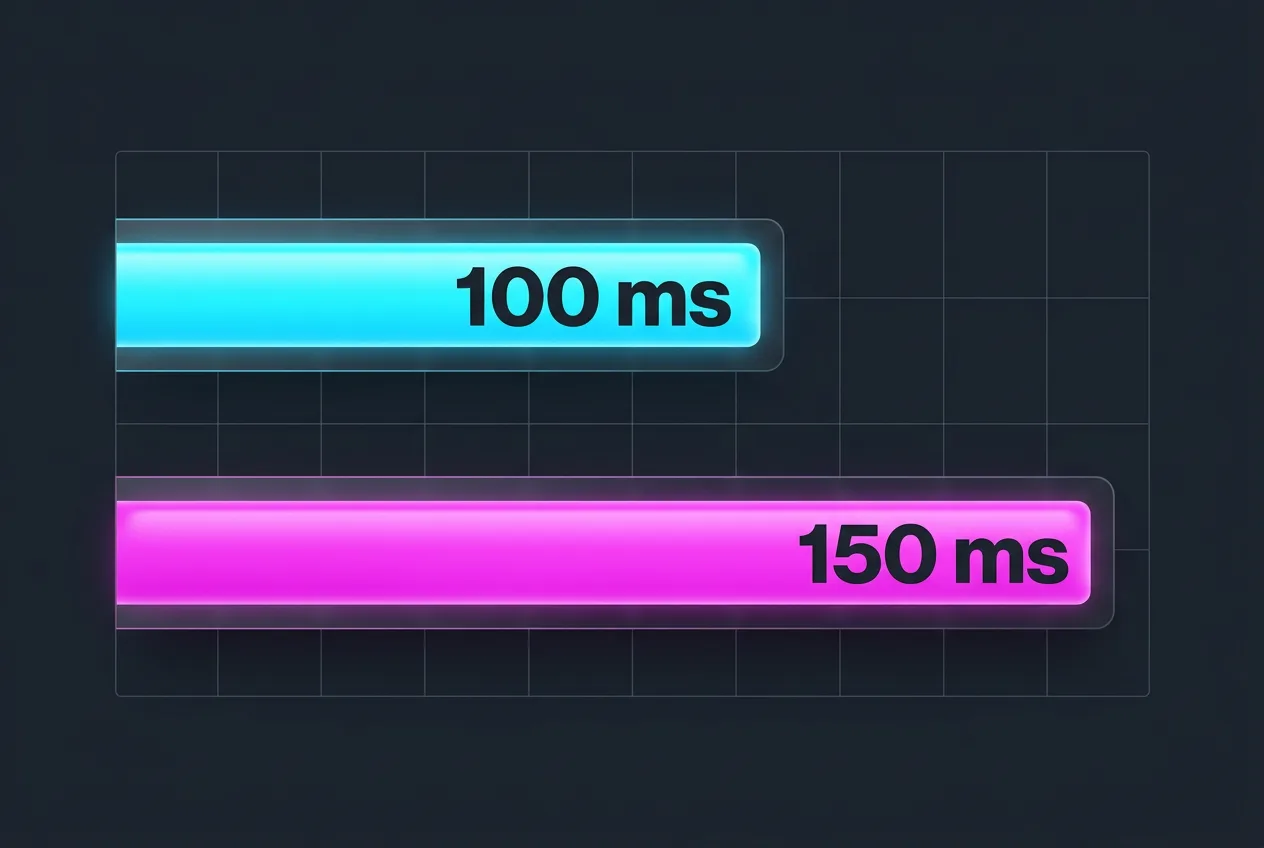
Fast-path finality reaches 100 ms when at least 80 percent of stake participates in one round. The slow path extends to 150 ms when participation falls between 60 and 80 percent. Both paths execute concurrently. Earlier finality averaged 12.8 seconds, or roughly six seconds once 200 ms slots were active. Confirmed and finalized commitment levels effectively converge under the new system.
Vote transactions, previously 60 to 75 percent of daily volume or about 263 million per day, are eliminated. This frees block space for user transactions, though reported TPS figures decline because only user activity remains visible. Testnet runs showed median finality near 54 ms, while community clusters achieved 96 percent fast-path success at 214 ms slot times. Mainnet post-activation measurements were still being collected at the time of the switch.
Most users and applications require no immediate changes because the SVM, transaction format, fees, and program execution stay identical. Applications that poll for finality or rely on separate confirmed and finalized levels should update their logic. Block explorers and RPC providers may display adjusted metrics after the merge of commitment levels. Real-time payment and DeFi use cases can now operate with lower latency assumptions.
Frequently asked questions
What changed when Solana Alpenglow activated on mainnet?
Votor replaced TowerBFT at slot 459,653,000 on October 21, 2026. Validators now send BLS votes off-chain and record compact certificates on-chain, removing vote transactions from the ledger.
How fast is finality after the Votor upgrade?
The target is 100-150 ms deterministic finality. The fast path completes in one round when 80 percent or more stake participates; the slow path adds a second round when participation is 60-80 percent.
Do users or developers need to take any action after Solana Alpenglow?
No changes are required for wallets, programs, or most applications. Integrations that poll for specific commitment levels or display separate confirmed and finalized states should update their code to reflect the merged levels.
What happens to validator costs under the new system?
A flat 0.8 SOL Validator Admission Ticket per epoch replaces daily per-vote fees. The minimum profitable stake threshold drops significantly, and BLS keys plus updated Agave clients are now mandatory.
Filed under
Comments 1