Reviews AI Models
Ling-3.2-Flash Review: Ant Ling's 560B Multimodal MoE for Agent Tasks
At a glance
Ant Ling released Ling-3.2-Flash on November 5, 2026, as a native multimodal MoE model with 560B parameters and 1M context for complex visual and agent workflows.
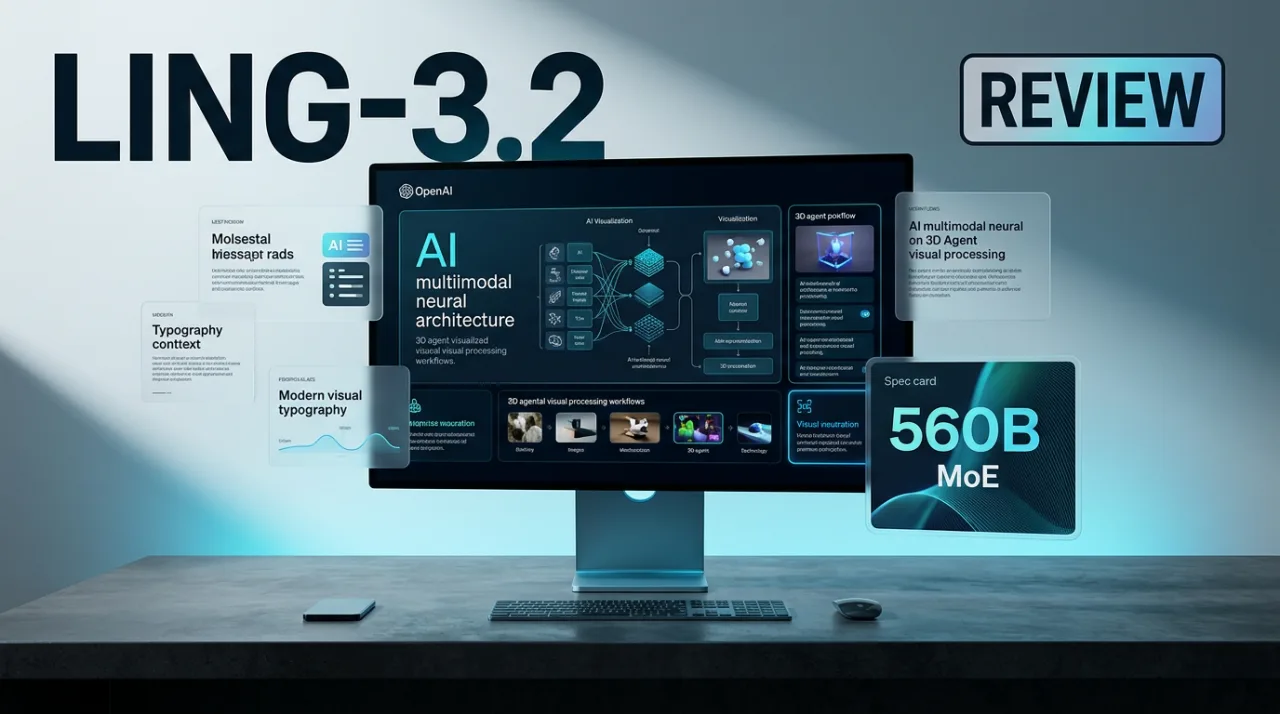
Ling-3.2-Flash launched on November 5, 2026, through Ant Ling's developer platform. The model provides a 560B-parameter native multimodal MoE architecture with roughly 25B parameters activated per token and a 1M-token context window. It handles image, text, and video inputs directly without separate vision modules.
Ling-3.2-Flash Capabilities and Benchmarks
The model focuses on visual reasoning, long-horizon multimodal agents, 3D spatial understanding, and medical imaging tasks. Users can run multi-step agent loops that generate reports, slides, and videos from financial data, convert images to frontend code, or control tools such as Blender. Ant Ling reports benchmark scores on OmniDocBench1.5 at 92.21, ZEROBench at 43.71, and Vision2Web at 85.86, each ahead of Claude Opus 5 max results on the same suites. Independent verification remains limited at this stage.
Demo examples include turning hand-drawn sketches into 3D web assets, logging nutrition from meal photos, and converting PDF documents into executable code. The design emphasizes efficiency for extended agent sessions through its sparse activation pattern. No open-weight release has been confirmed, and access occurs only through the chat interface or compatible APIs.
Pricing, Access, and Limitations
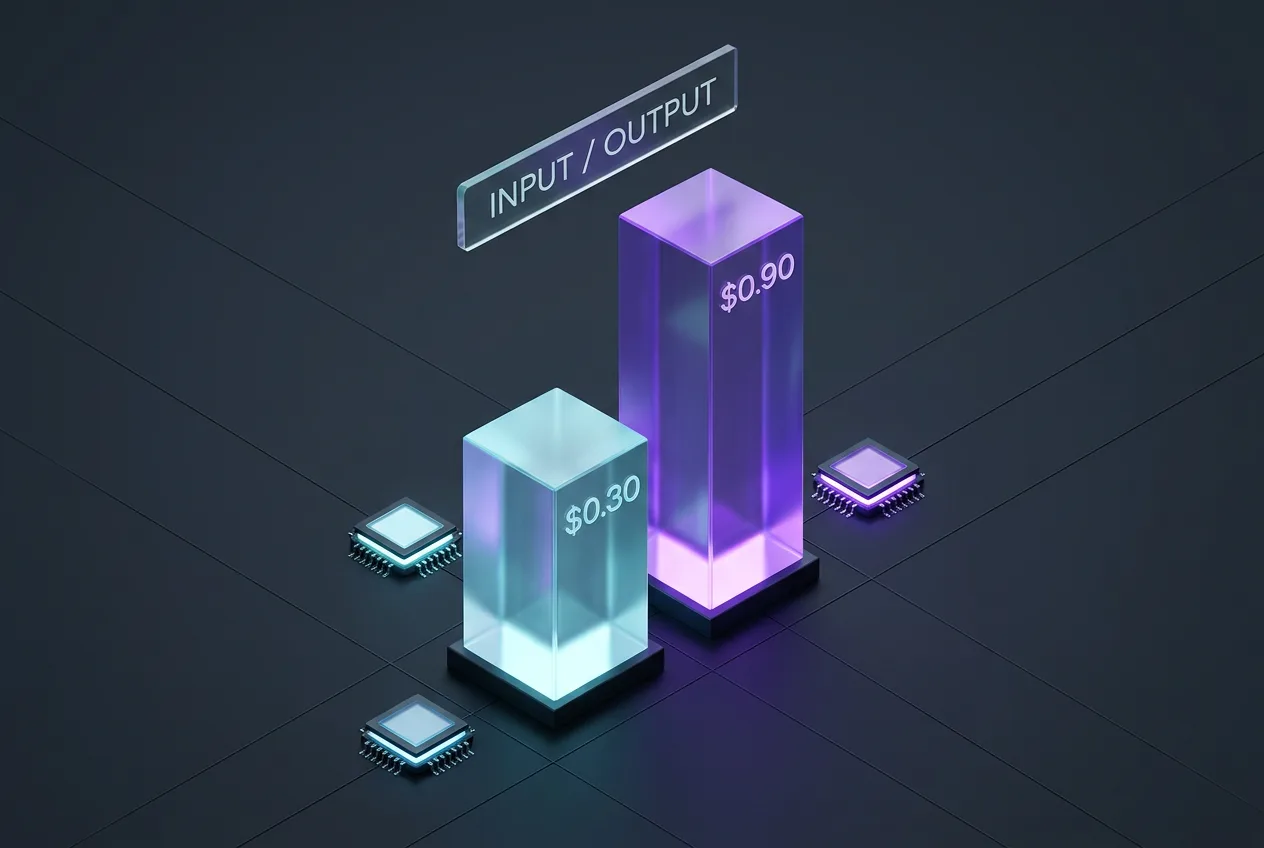
Access starts with a two-week free period ending around November 19, 2026. After that, rates stand at approximately $0.30 per million input tokens and $0.90 per million output tokens on a pay-as-you-go basis with no minimum spend. The API supports image_url and video_url parameters under the model identifier Ling-3.2-flash.
Rate limits, full terms, and post-promotion pricing details have not yet been finalized in public documentation. Medical imaging functions are presented as technical capabilities without regulatory or clinical certifications. Earlier models in the Ling series offered some open-weight versions, but this release remains API-only.
| Metric | Ling-3.2-Flash | Claude Opus 5 max |
|---|---|---|
| OmniDocBench1.5 | 92.21 | 90.56 |
| ZEROBench (Sub) | 43.71 | 39.52 |
| Vision2Web | 85.86 | 80.20 |
Compared with Claude Opus 5 max, Ling-3.2-Flash shows higher scores on the listed visual benchmarks while offering a longer native context and lower token prices after the promotional window. It lacks the confirmed open-weight availability of some prior Ant Ling releases and trails in third-party benchmark coverage at launch.
Frequently asked questions
What is the context length of Ling-3.2-Flash?
The model supports a 1M-token context window for handling extended multimodal agent sessions and long documents.
Is Ling-3.2-Flash available as open weights?
No open-weight release has been confirmed. Access is provided through the Ant Ling chat interface and compatible APIs only.
What happens to pricing after the free period?
After the initial two weeks, the model moves to pay-as-you-go rates of roughly $0.30 per million input tokens and $0.90 per million output tokens.
How does Ling-3.2-Flash compare on visual benchmarks?
Vendor-reported scores place it ahead of Claude Opus 5 max on OmniDocBench1.5, ZEROBench, and Vision2Web, though independent tests are still limited.
Filed under
Comments 4