Reviews Kubernetes
CloudCasa Review: Kubernetes Disaster Recovery, Storage Integrations and MCP Support
At a glance
CloudCasa provides Kubernetes-native backup and disaster recovery with support for storage replication and an MCP server for AI agent queries.
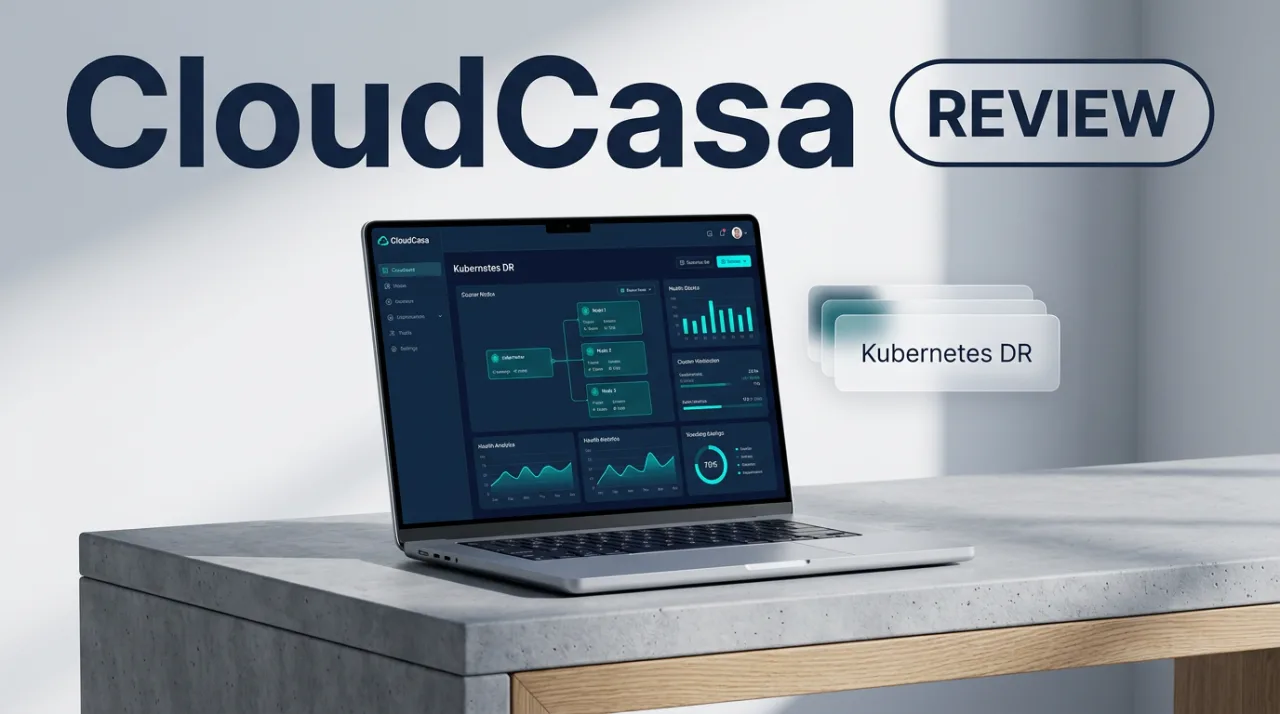
CloudCasa delivers a Kubernetes-native platform for backup, recovery, disaster recovery, migration and replication across clusters, persistent volumes and applications. Developed by Catalogic Software, the service launched around 2020 and now supports both fully managed SaaS and self-hosted air-gapped deployments. It targets teams running EKS, AKS, GKE, OpenShift and similar platforms who need policy-driven protection and cross-cluster recovery options.
CloudCasa Key Features and Storage Integrations
The platform handles policy-based backups of Kubernetes resources, metadata and persistent volumes through CSI snapshots or direct copies to storage. Application-aware hooks ensure consistency, while granular restores allow recovery of namespaces, individual resources or specific files from volumes. Cross-cluster, cross-cloud and cross-region operations cover both backup-based recovery and orchestrated failover.
CloudCasa DR integrates native storage replication for low RPO and RTO scenarios. Supported arrays include HPE Alletra MP B10000 and Alletra 9000, SUSE Storage, and Dell PowerStore since October 2026. Users can also supply their own S3-compatible, Azure Blob, NFS or SMB storage with immutability detection. The service manages existing Velero installations and supports Kubernetes 1.20 and later, including KubeVirt and OpenShift Virtualization workloads.
In late October 2026 CloudCasa added a Model Context Protocol server. Compatible AI agents can now query backup status, protection policies and DR state through natural language. A preview of Changed Block Tracking for faster VM backups was also announced at the same time.
CloudCasa Pricing, Ease of Use and Security Details
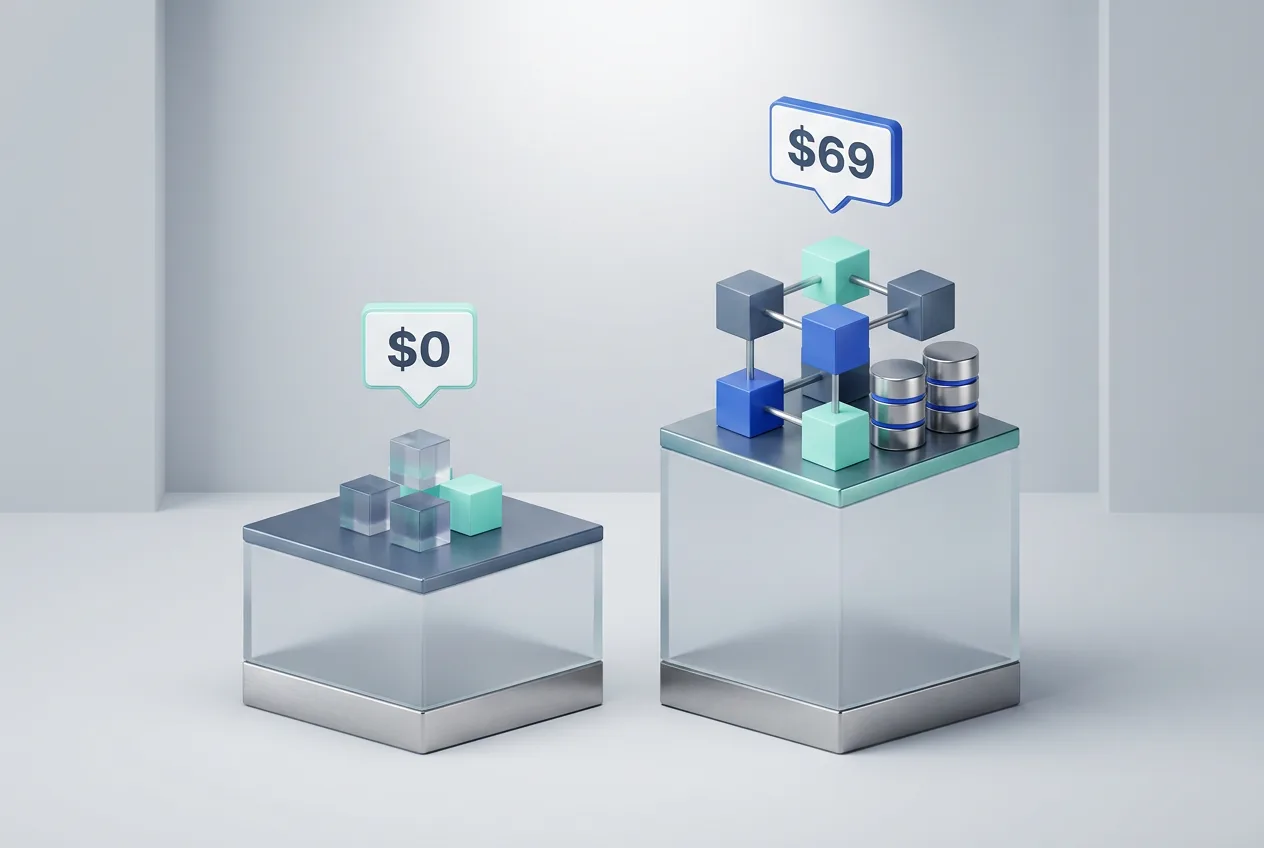
The free plan covers up to five nodes with daily backups, 30-day retention, three users per organization and limited CloudCasa storage of about 100 GB. The Pro tier costs 69 dollars per node per month on annual billing and unlocks advanced policies, cross-cluster restores, file-level recovery, migration, replication, RBAC, API and CLI access plus 24x7 support. Enterprise plans are custom priced and include self-hosted or air-gapped options. Storage fees may apply separately in some tiers, and 60-day trials appear in independent reviews.
The web dashboard provides centralized multi-cluster management. Registration follows standard account creation followed by cluster connection through the provided agent. Technical requirements remain modest: clusters at Kubernetes 1.20 or newer and compatible CSI drivers for snapshot operations.
Security relies on immutable backups with SafeLock protection against ransomware and support for user-supplied storage that detects immutability. Data stays within the customer-chosen storage locations. No public reports of breaches or major incidents appear in available sources.
| Feature | CloudCasa | Velero | Kasten K10 |
|---|---|---|---|
| Native storage DR | Yes (HPE, Dell, SUSE) | No | Limited |
| MCP server for AI agents | Yes (Oct 2026) | No | No |
| Node pricing | $69/node/mo (Pro) | Free (open source) | Subscription |
| Self-hosted option | Yes | Yes | Yes |
Pros, Cons, User Feedback and Limitations
Independent editor scores range from 8.4 to 9.4 out of 10, citing strong multi-cloud support and recovery breadth. G2 lists an average of 4.5 out of 5 from a modest number of reviews. Common positive notes focus on straightforward policy setup and broad platform coverage. Reported drawbacks include node-based licensing that can scale quickly and the need for separate storage arrangements in the free tier.
Direct comparisons show CloudCasa adding native replication and MCP support beyond basic Velero functionality. Kasten K10 offers similar enterprise features but uses different licensing. No widespread complaints about data loss or service outages appear in public sources.
Limitations include reliance on customer-supplied storage for the lowest cost tiers and the current preview status of Changed Block Tracking. Enterprise air-gapped deployments require custom quotes, and the number of published user reviews remains smaller than for older open-source alternatives.
CloudCasa supplies concrete Kubernetes backup and disaster recovery capabilities with recent additions for storage arrays and AI agent integration. Its node pricing and storage flexibility suit teams already invested in supported platforms, while the free tier allows initial testing within stated limits.
Frequently asked questions
What storage options does CloudCasa support for backups?
Users can bring their own S3-compatible, Azure Blob, NFS or SMB storage. The service also integrates native replication from HPE Alletra, Dell PowerStore and SUSE Storage arrays for orchestrated disaster recovery.
Does CloudCasa offer a free plan?
Yes. The free plan supports up to five nodes, daily backups, 30-day retention and roughly 100 GB of CloudCasa-managed storage with community support.
How does the MCP server work in CloudCasa?
The Model Context Protocol server, added in October 2026, lets compatible AI agents query backup status, policies and protection state using natural language.
Is CloudCasa limited to SaaS only?
No. Both SaaS and self-hosted or air-gapped deployments are available, with Enterprise plans covering the self-hosted option.
Filed under
Comments 3