Reviews VPN
IPVanish 2026 review: Tiered Pricing, Antivirus Bundle and Speed Improvements
At a glance
IPVanish restructured its offerings in October 2026 into three tiers with an added antivirus option and completed a major network upgrade that increased server capacity.
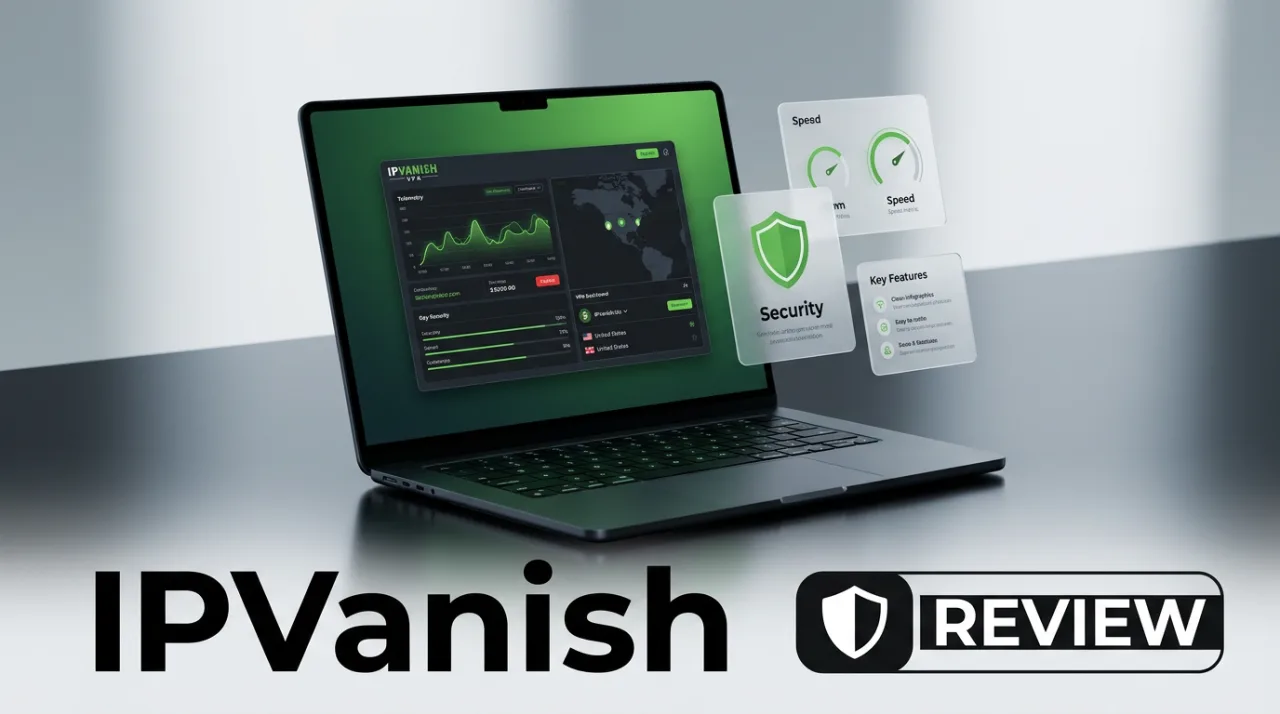
IPVanish 2026 review begins with the October 2026 plan overhaul that replaced the prior two-tier structure with Essential, Complete, and Advanced options. The company, owned by Ziff Davis and based in the United States, now markets the service around the phrase “Control your digital world.” All tiers retain unlimited simultaneous connections, 256-bit AES encryption, a no-logs policy backed by quarterly transparency reports, and access to more than 3,400 servers across 150 locations.
IPVanish 2026 review: Plan Structure and Features
Essential includes core VPN functions plus Threat Protection and 3 GB of eSIM data. Complete adds a next-generation antivirus powered by the VIPRE engine, available for Windows and macOS, with real-time malware scanning, ransomware protection, and offline capability. Advanced further includes 1 TB of encrypted cloud storage, a Secure Browser, and an additional 2 GB of eSIM data for a total of 5 GB. The antivirus component earned an Advanced+ rating from AV-Comparatives with 99.91 percent malware protection in March 2026 testing and is not offered on the Essential tier.
Network improvements completed in September 2026 doubled port capacity to 50 Gbps at many sites, added direct peering at more than 40 exchanges, and introduced dual data centers in major cities along with NFTables and OpenVPN Data Channel Offload on Windows. Official figures cite a 41 percent average increase in per-server throughput during peak hours. Independent WireGuard tests on nearby routes have recorded 93 to 95 percent speed retention, consistent with earlier lab peaks near 750 Mbps.
IPVanish VPN pricing and Current Deals
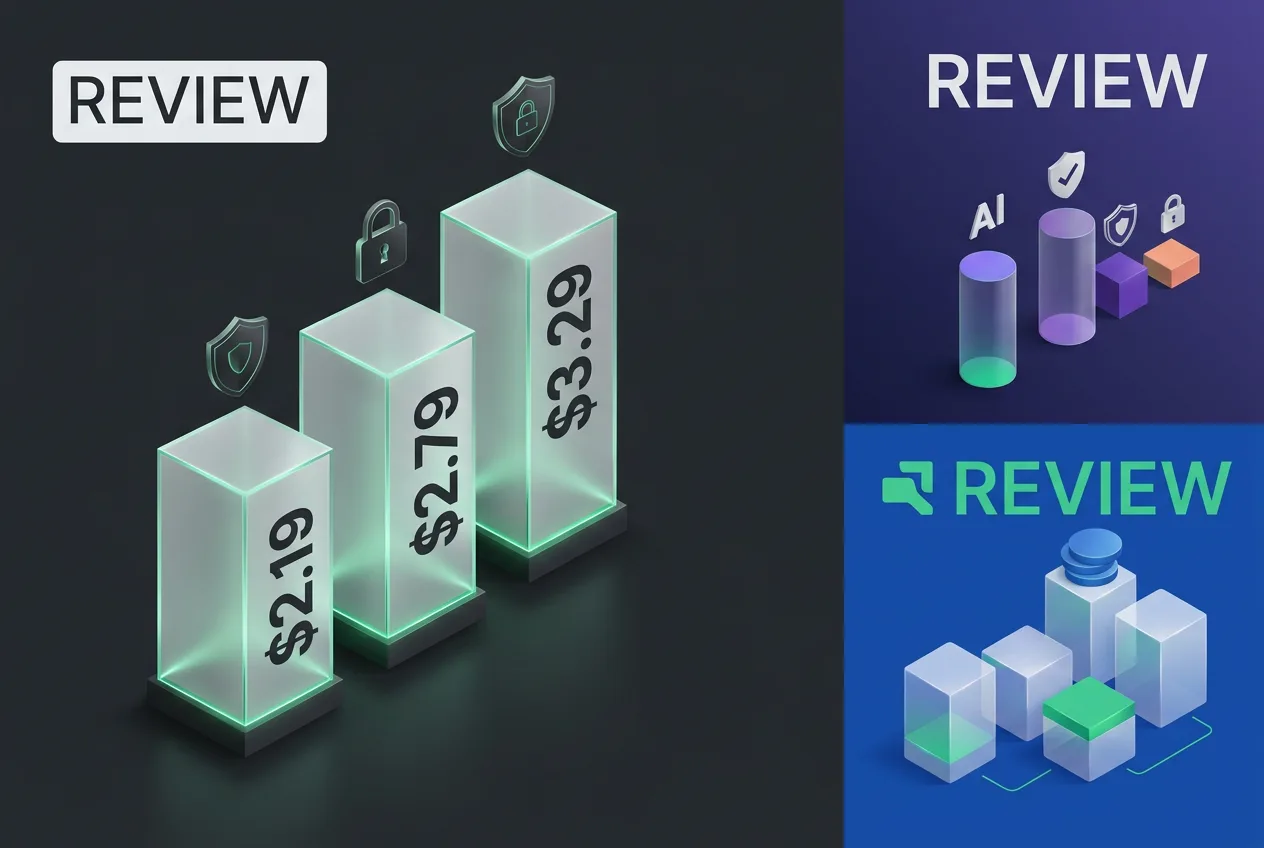
Black Friday 2026 promotions, active since mid-October on two-year subscriptions only, list Essential at $2.19 per month ($52.56 billed upfront), Complete at $2.79 per month ($66.96 upfront), and Advanced at $3.29 per month ($78.96 upfront). These rates represent 81 to 85 percent discounts off standard pricing. Monthly and renewal rates remain substantially higher, often between $12.99 and $14.99 per month depending on the tier. A 30-day money-back guarantee applies to eligible plans.
Every plan supports P2P traffic, streaming service unblocking, and 24/7 chat support. Phone support is limited to Complete and Advanced subscribers. IPVanish continues to emphasize self-owned infrastructure and unlimited device connections, though cryptocurrency payment methods are not currently listed among accepted options.
| Plan | Monthly Intro Price | 2-Year Upfront | Key Additions |
|---|---|---|---|
| Essential | $2.19 | $52.56 | Threat Protection, 3 GB eSIM |
| Complete | $2.79 | $66.96 | Antivirus, phone support |
| Advanced | $3.29 | $78.96 | 1 TB storage, Secure Browser, 5 GB eSIM |
Renewal pricing after the introductory period rises sharply, so users tracking IPVanish VPN pricing should note the exact renewal date. Independent speed re-tests following the network rebuild remain limited as of late October 2026.
Frequently asked questions
What are the main differences between IPVanish plans in 2026?
Essential covers basic VPN and threat protection. Complete adds the VIPRE-powered antivirus. Advanced includes 1 TB cloud storage and a Secure Browser on top of the antivirus features.
How much does IPVanish cost during the 2026 Black Friday promotion?
Two-year Essential plans start at $2.19 per month, Complete at $2.79, and Advanced at $3.29 when paid upfront. Standard renewal rates are significantly higher.
Does IPVanish include antivirus software?
The antivirus is available only on Complete and Advanced plans. It uses the VIPRE engine and received a 99.91 percent malware detection score in March 2026 AV-Comparatives testing.
Has IPVanish improved its server speeds recently?
A network rebuild finished in September 2026 upgraded ports to 50 Gbps capacity and added direct peering. Official data shows a 41 percent throughput increase at peak times.
Filed under
Comments
No comments yet. Be the first!